Eco-Friendly Appliance Tips for a Greener Home
 Eco-friendly living doesn’t usually start with solar panels or a total lifestyle reset. In Central Florida, it usually starts when the power bill shows up and makes you pause. Again. It’s in those moments that homeowners begin to notice the small things—the washer running on hot out of habit, the fridge door that never quite seals, the dryer that takes two cycles because “it’s always done that.” None of it feels dramatic. But over time, it gets expensive.
Appliances are almost always the quiet culprits. They run constantly in Florida homes, especially with the heat and humidity we deal with year-round. When they’re slightly out of tune—dirty, worn, or overdue for service—they don’t fail right away. They just burn more electricity every month while doing the same job. That’s where a lot of “green” savings actually disappear. Not because people don’t care, but because no one ever told them what to look for.
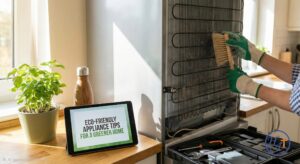
Refrigerators are a perfect example. They never shut off, which means even small efficiency losses add up fast. Hartman’s Appliance Repair sees this daily in Orlando-area homes. Coils packed with dust and pet hair. Doors that don’t seal properly. Units working overtime just to maintain temperature. Homeowners assume the fridge is “getting old,” when in reality it’s being forced to work harder than necessary. Cleaning the coils a couple times a year isn’t glamorous, but it can shave real dollars off an electric bill and add years to the appliance’s life.
Laundry habits are another big one. Washing in hot water used to be the norm. Now it’s mostly unnecessary. Modern detergents are built for cold cycles, and the energy savings are immediate. Dryers, though, are where Hartman’s technicians see the most waste. Lint traps get cleaned, but vents don’t. When airflow is restricted, dryers run hotter and longer, pulling more power and wearing out parts faster. It’s inefficient, unsafe, and completely avoidable.
Dishwashers get blamed unfairly, too. Many homeowners still think handwashing is greener, but in most cases it isn’t—especially when hot water is running nonstop. A modern dishwasher, used correctly, typically uses less water and less energy. Skip the pre-rinse. Let it air-dry. These aren’t tricks. They’re how the machines were designed to work.
Then there’s maintenance—the part nobody gets excited about but the part that matters most. Loose seals, worn belts, clogged vents, failing sensors. None of these cause an immediate breakdown. They quietly drain efficiency month after month. This is where Hartman’s Appliance Repair earns its keep. Most appliances don’t die suddenly. They slowly become more expensive to own until replacement feels inevitable. In many cases, timely service would’ve prevented that outcome entirely.
Upgrading to energy-efficient appliances absolutely makes sense when the timing is right. Replacing a failing, inefficient unit is smart. Replacing a perfectly functional appliance just because it’s not the latest model? That’s not always greener—or cheaper. Sometimes the most eco-friendly choice is maintaining what you already own and keeping it operating at peak efficiency for as long as possible. Sustainability isn’t always about buying new. It’s about wasting less.
Small habits still matter. Unplugging appliances that draw standby power. Paying attention when cycles suddenly take longer. Not ignoring new noises because “it still works.” These aren’t trendy ideas. They’re practical ones. The kind that save money in real homes, not just in theory.
A greener home in Central Florida doesn’t need to be complicated or expensive. It needs awareness, consistency, and a reliable local expert who knows how appliances behave in this climate. With smarter daily habits and routine maintenance from professionals like Hartman’s Appliance Repair, homeowners can cut energy waste, extend appliance life, and keep monthly costs under control.
And that kind of green? That’s not a trend. That’s just smart homeownership.