The Future of Smart Appliances: Less “Smart,” More Useful
 Smart appliances have been “the future” for a long time, yet most of what we’ve gotten is a pile of apps, a few notifications, and the occasional touchscreen that looks slick in a showroom but feels pointless on a Tuesday night. The real future isn’t more screens or more gimmicks. It’s quieter than that. It’s appliances that handle the boring stuff better—more consistent temperatures, fewer weird failures, less wasted water and power—so you stop thinking about them altogether, which is kind of the highest compliment you can give a fridge or a dishwasher.
What’s actually changing is the quality of the “smart.” Instead of dumb presets pretending to be intelligent, we’re heading toward machines that pay attention to what’s happening in real time and adjust on purpose. A dishwasher won’t just run “Normal” because you pressed a button; it’ll sense how filthy the load is, how hard your water is, and how full the racks are, then tweak the wash like it has common sense. Ovens will lean harder on temperature probes, humidity sensors, maybe even cameras—not to play sci-fi chef, but to stop scorching your food when you get distracted for five minutes. Fridges, ideally, will stop being glorified cold boxes with Wi-Fi and start being better at what they claim to do: keep food stable, handle door openings without wild temp swings, and warn you when something practical is going wrong, like a weak door seal or a struggling compressor. Not glamorous. Very useful.
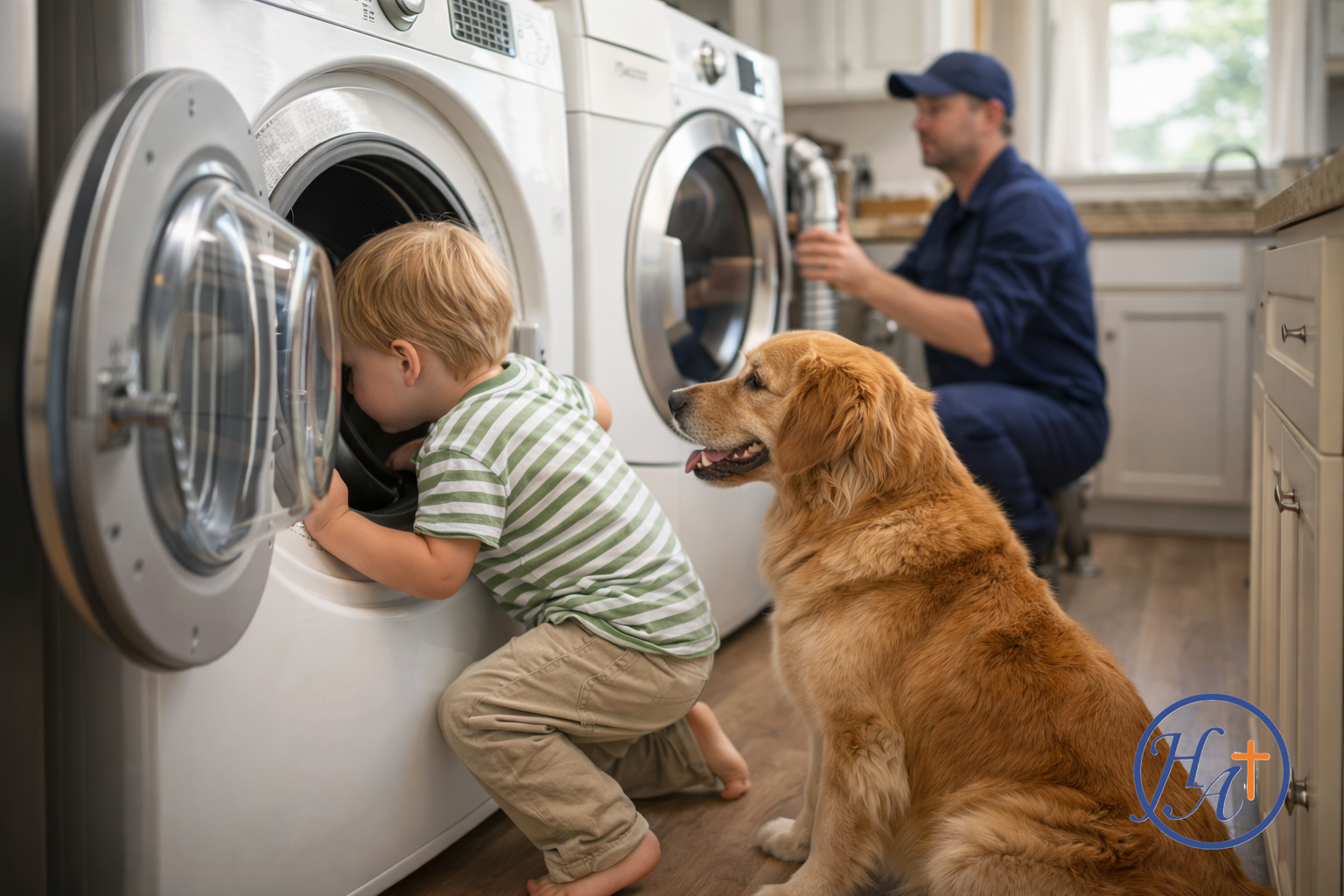
The biggest win, though, is predictive maintenance—the feature nobody brags about, but everybody benefits from. Appliances are basically a collection of parts that wear out in predictable ways, and we’re finally getting to a point where sensors and basic diagnostics can spot trouble early: a compressor drawing odd current before it dies, a drain pump starting to strain, a heating element weakening instead of popping dramatically at the worst possible time. That means fewer surprise breakdowns, fewer frantic calls, and quicker repairs because the machine can offer real clues instead of leaving everyone to guess. In the real world, that’s where a solid local shop like Hartman’s Appliance Repair becomes even more valuable, because diagnosing a modern “smart” unit isn’t just listening for a weird sound anymore—it’s understanding what the machine is reporting and separating a real problem from a dumb software tantrum.
Energy is another driver that’s going to shove smart appliances forward whether people are excited about it or not. With time-of-use rates spreading and more homes adding solar and batteries, the question isn’t just “how much power does this use,” it’s “when does it use it.” The next wave of appliances will schedule intelligently—dishwashers shifting to off-peak hours, dryers smoothing out power spikes, water heaters adapting to household patterns—because saving money is persuasive in a way that marketing fluff will never be. Some folks will hate the idea of a machine “deciding” things, sure, but if it comes with a lower bill and no inconvenience, they’ll get over it. Most people do.
At the same time, there’s an app backlash brewing, and it’s deserved. Nobody wants twelve different logins for a kitchen, and nobody wants their oven acting confused because the Wi-Fi hiccupped. The future is fewer apps, better standards, and more local control—smart features that are optional and additive, not required for basic operation. If you want remote monitoring, fine. If you never touch the app again, the appliance should still work like a normal, trustworthy machine. That’s the line manufacturers keep crossing, and consumers are getting less patient about it. It’s also why repairability and sane design matter more than ever: when something breaks, you want it fixable without a three-week parts odyssey and a support chatbot that talks in circles.
And then there’s privacy and security, the part people ignore until it bites them. As appliances collect more data—usage patterns, diagnostics, sometimes audio or images—manufacturers are going to be forced to make clearer choices: minimize what’s collected, make permissions understandable, keep security updates coming for years, not months. If they don’t, they’ll lose trust, and trust in the home is a fragile thing. People will tolerate a lot, but they don’t like feeling watched or trapped in a subscription ecosystem just to run a washing machine. It’s a weird timeline when your toaster has a privacy policy, but here we are.
If smart appliances earn their place, by 2030 the best ones won’t feel like gadgets at all. They’ll feel like reliable tools that break less, waste less, cost less to run, and quietly warn you before something expensive happens. That’s the real future: not your fridge trying to be your friend, not your washer sending you cute push notifications, but a home that runs smoother in the background while you live your life—and when something does go sideways, you’ve got experienced hands (like Hartman’s Appliance Repair) to bring it back to normal without the drama. Honestly, that’s the only “smart” I’m interested in.